

So what this question is kind of centering on is the concept about metabolic damage and adaptation. My take is that your body becomes very efficient at burning calories when you drive your calories lower and lower and do more and more steady state cardio. I’m not talking about 1 or 2 – 45 min cardio sessions a week, I’m talking more about one or two hours of cardio per day. So this is a high amount of cardio and very low calories. Essentially what you’re doing is you’re just kind of metabolically shocking your system and your body responds by becoming a lot more efficient. Now these mechanisms of efficiency are starting to get studied in the scientific world but that’s basically kind of what we are talking about. Right now there isn’t much evidence, but they do believe something is there. The basis of these adaptations is definitely present.
So how this does relate specifically to a ketogenic diet, and you know because your carbs are really low, can you still keep your calories high so you don’t get these metabolic adaptations. And the answer is yes.

So what about ketosis? Let’s Get Scientific for a Moment
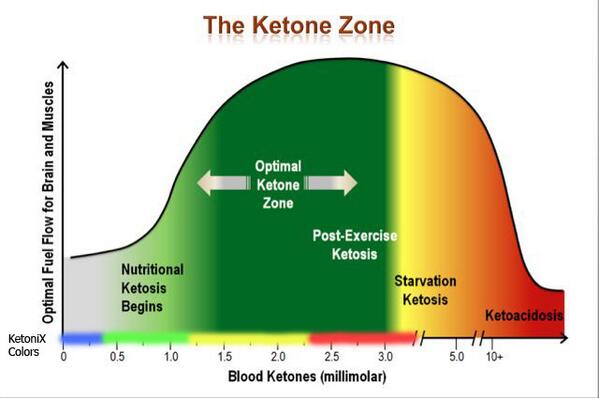
This is a really important key to remember, ketosis is not weight loss, instead ketosis is actually a metabolic state when fat is being burned as your primary fuel source and then ketones are being produced. Ketones are by products of fat metabolism. Fat is getting oxidized at a very high rate, which results in ketone production and then you can measure ketones in either your urine (not recommended as I discuss here in my TOP KETO MISTAKES video) or in your blood, the blood actually being more accurate. Often times, the most popular way of measuring dietary ketosis is through measuring ketones in your urine because that’s where it overflows. But urine ketosis and blood ketone levels are not always related. One other side note about ketosis, dietary induced ketosis through a very low carbohydrate diet is very different than a diabetic keto acidosis which is a dangerous metabolic state. Now often times when you hear the people with no experience talking about low carbohydrates and ketogenic diets, they’ll say it will get you into keto acidosis and it’s very dangerous, it’s not true. Comparing dietary induced ketosis from a low carb diet to diabetic keto acidosis is like comparing a Honda Civic to a Ferrari (sorry civic owners). They are on very different ends of the spectrum.
So how can you take a ketogenic diet which is a great effective safe dietary protocol and minimize the metabolic damage and adaptation if you’re trying to use it to lose weight?

Top 5 things that you can do Minimize Metabolic Damage:
- First, get on to a ketogenic diet. Increase the fat in your diet but don’t cut calories. And this gets back to the question, can you keep calories up even though carbs are very low to minimize adaptation. So when you initially get on to ketogenic diet, you need to get your body to adapt to this new way of eating. You need to move away from carbohydrates being your primary food source to fats being your primary fuel source. And I always tell clients that’s a big switch mentally and in your body. Just worry about getting into ketosis then worry about calories or increasing exercise to burn or lose fat. So increase your fat significantly because you need to get up to about 80% of calories from fat but don’t worry about cutting calories so eat till you’re full or satiated, if you’re hungry, eat. Eat throughout the day.
- Try to deplete glycogen quickly. Research shows that with 1-2 sessions of exercise, you can deplete muscle glycogen and that causes the DNA and the RNA in your body to start producing different compounds and enzymes needed to fuel you in a carb depleted state (this is where ketones come into play). So there is some carbohydrate and glycogen depletion protocols which basically involves high intensity exercise that’s held at a high enough intensity that you’re not going to be accessing your fat storage but deplete glycogen. They are very intense but they are also very effective of emptying out your muscle glycogen really fast because if you don’t have that muscle glycogen, your body is going to need to turn to other fuel sources more quickly. The other fuel sources being fat aka ketones!
- Keep protein levels in check. So you are going to increase your fat a lot but I don’t want you to then also increase your protein a lot because when your body is going to go around and start searching for energy when it doesn’t have carbohydrates, it can break down proteins and use that as glucose and fuel but we don’t want that, we want it to use fat as fuel. So keep your protein levels moderate but not excessive. That’s a mistake that a lot of people make when they first try to go into a ketogenic diet. And that can impair getting into ketosis.
- Decrease calories as needed but keep your fat high. I normally don’t recommend this, but sometimes it’s needed for a short period of time. So as you start your adaptation process, you can start then once you ramp up your exercise and start feeling good then you can lower your calories slowly just as if you’re in any normal sort of diet. But the key is to get your calories up, get your body sort of stabilized, you’ll probably going to start losing fat naturally even if there’s high calorie or higher calorie in tae because of the mechanisms of ketogenic diets. But then you want to slowly decrease calories but you can still increase your activity and keep your activity levels pretty high.
- Last point, give it time. This adaptation to a ketogenic diet takes time and if you jump the gun, you’re actually going to maximize the metabolic damage in adaptation (you don’t want that). Because if you jump the gun and start cutting calories too fast, because you’re eager to start weight loss, that’s going to start screwing with things so give your body time to adapt to ketosis, give your body time to adapt to using fat as its primary fuel source. Think of how long you’ve been using carbs and sugar (remember it’s like a drug for your body and brain) as your primary fuel source, your whole life. So a lot of people think of its going to take two days or it’s going to take two weeks. On average maybe it takes two weeks but it takes some people a lot longer, there’s a lot of metabolic differences that needs to get shifted and changes around to start using fat as your primary fuel source. So give it some time and decrease your calories conservatively. Because initially when you get going, you’re not going to be able to exercise at the highest level intensity that you’re used to. But as you start to feel your work outs and your intensity increasing, then you’re go going to know that you’re starting the adaptation – it’s an amazing feeling!
Need Help Getting into KETOSIS - FAST?
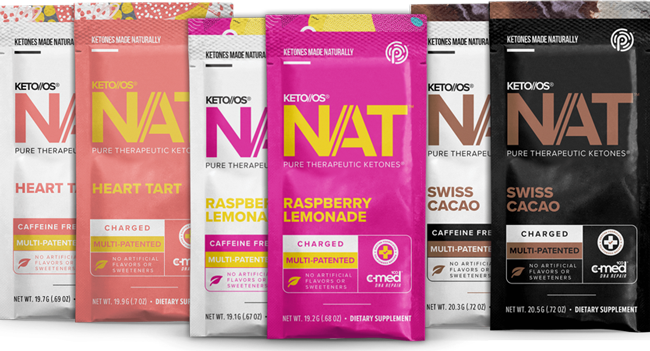
Get into Ketosis in 60 minutes or less. All natural ketone drink.